
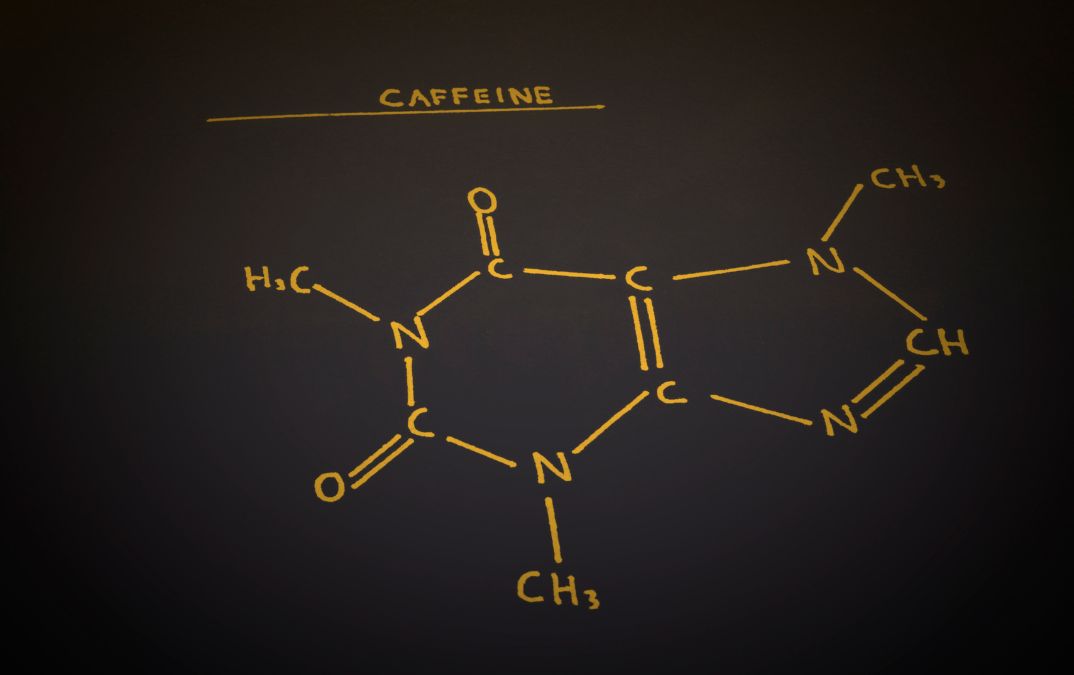
Caffeine is one of the most widely used ingredients in the world for energy, focus, and alertness. For many people, it is part of a daily routine, whether through coffee, tea, energy drinks, pre-workouts, or functional beverages.
But not everyone experiences caffeine the same way.
Some people feel focused and energized. Others experience jitters, digestive discomfort, or disrupted sleep from the same serving size. While these differences are often blamed on tolerance or dose, the way the body metabolizes caffeine can play an important role.
The Role of Caffeine Metabolism
When caffeine is consumed, the body does not use it in a single, uniform way. Instead, caffeine is metabolized primarily in the liver into several downstream compounds, including paraxanthine, theobromine, and theophylline.¹
Paraxanthine is the primary metabolite of caffeine and has been studied for its role in supporting cognitive performance, attention, and response time.² Theobromine and theophylline are also part of caffeine’s metabolic pathway and may contribute to differences in how caffeine feels from person to person.¹
This process is influenced by CYP1A2, an enzyme involved in caffeine metabolism.¹ Some people metabolize caffeine more efficiently, while others process it more slowly. This can influence how long caffeine stays in the body, how strongly someone feels its effects, and whether the experience feels clean and productive or uncomfortable and overstimulating.
Why the Caffeine Experience Can Vary
Caffeine sensitivity is not always a simple matter of drinking too much. For some consumers, even moderate amounts of caffeine can feel inconsistent.
A slower caffeine metabolism may mean caffeine remains active in the body longer than intended. For these individuals, the experience may include lingering stimulation, difficulty winding down, or a noticeable crash later in the day.
This variability creates a challenge for both consumers and brands. Consumers want reliable energy and focus, but traditional caffeine can deliver a different experience depending on the person, dose, timing, and how quickly the body metabolizes it.
For product developers, this raises an important question: how can energy products deliver a more consistent experience across a broader range of consumers?
A More Targeted Approach to Energy
Paraxanthine offers a different approach.
Instead of relying on the body to convert caffeine into paraxanthine, paraxanthine can be delivered directly. This helps bypass the variability of caffeine metabolism and provides a more targeted way to support energy, focus, and performance.
enfinity® is the first and only branded, pure form of paraxanthine. By delivering paraxanthine directly, enfinity® is designed to support a cleaner, more consistent energy experience without relying on the same metabolic conversion process required by caffeine.5
This makes enfinity® especially relevant for modern energy products, where consumers are looking for more than stimulation alone. They want focus, productivity, performance support, and a better overall experience.
What Makes enfinity® Different
Caffeine must first be metabolized before the body produces paraxanthine. That process can vary from person to person. enfinity® delivers paraxanthine directly, helping reduce the variability that can come with traditional caffeine.
This gives brands a way to formulate energy products with a more targeted ingredient strategy. Rather than relying on caffeine alone, enfinity® focuses on paraxanthine, the primary metabolite associated with many of caffeine’s desired benefits.1,2
For consumers, that may mean a more consistent experience. For formulators, it creates an opportunity to develop differentiated energy, focus, and performance products that better align with what today’s consumers are looking for.
What the Research Shows
Clinical research has explored paraxanthine’s role in cognitive performance, attention, energy, and exercise-related outcomes.
In one published study, a single 200 mg serving of paraxanthine was associated with improvements in short-term memory, reasoning, response time, and sustained attention.² Another study comparing paraxanthine and caffeine after a 10 km run found that paraxanthine supported greater improvements in cognitive function following exercise compared to caffeine.³
Research has also explored paraxanthine’s potential role in broader brain health pathways. In a preclinical study, paraxanthine was associated with improvements in memory and markers related to neuroplasticity, including brain-derived neurotrophic factor, or BDNF.⁴
Beyond performance research, enfinity® also offers formulation advantages, including being 22% less bitter than caffeine, making it easier to use across product formats such as ready-to-drink beverages, powders, gummies, nootropics, and pre-workout products.
Quality, Safety, and Formulation Flexibility
enfinity® is supported by a strong quality and safety profile, including Self-affirmed GRAS status, Informed Ingredient certification, Kosher and Halal certifications, and 23 filed patents.
With recommended dosing of 100 to 300 mg per serving, and a maximum of 400 mg per day, enfinity® can be used in a wide range of applications where brands are looking to deliver energy, focus, or performance support.
This includes energy drinks, functional beverages, nootropics, gummies, pre-workouts, and other formats where a cleaner and more consistent energy experience is a priority.
The Bottom Line
Caffeine is familiar, but it is not always predictable. Differences in caffeine metabolism can influence how consumers experience energy, focus, and stimulation.
enfinity® offers brands a more targeted alternative by delivering paraxanthine directly. As the primary metabolite of caffeine, paraxanthine helps support many of the benefits consumers are looking for while giving formulators a differentiated ingredient for modern energy and performance products.
For brands building the next generation of energy solutions, enfinity® represents a cleaner, more precise approach to focus, energy, and performance.
Discover products formulated with enfinity® from leading brands worldwide.
Shop enfinity® Products here.
References
- Jäger R, et al. Caffeine and paraxanthine: A comparison of pharmacological properties and performance effects. Journal of the International Society of Sports Nutrition. 2022. https://pmc.ncbi.nlm.nih.gov/articles/PMC8875973/
- Yoo C, et al. Acute paraxanthine ingestion improves cognition and short-term memory and helps sustain attention in a double-blind, placebo-controlled, crossover trial. Nutrients. 2021;13(11):3980. https://pmc.ncbi.nlm.nih.gov/articles/PMC8622427/
- Yoo C, et al. Paraxanthine provides greater improvement in cognitive function than caffeine after performing a 10-km run. Journal of the International Society of Sports Nutrition. 2024;21(1):2352779. https://pmc.ncbi.nlm.nih.gov/articles/PMC11089923/
- Jäger R, et al. Paraxanthine enhances memory and neuroplasticity more than caffeine in rats. Nutrients. 2024;16(24):4384.
- Purpura, et al. An assessment of mutagenicity, genotoxicity, acute-, subacute and subchronic oral toxicity of paraxanthine. Food and Chemical Toxicology. 2021. 10.1016/j.fct.2021.112579. https://www.sciencedirect.com/science/article/abs/pii/S0278691521006128?via%3Dihub